Dealing with Breakup Emotions: Anger, Sadness, and Grief
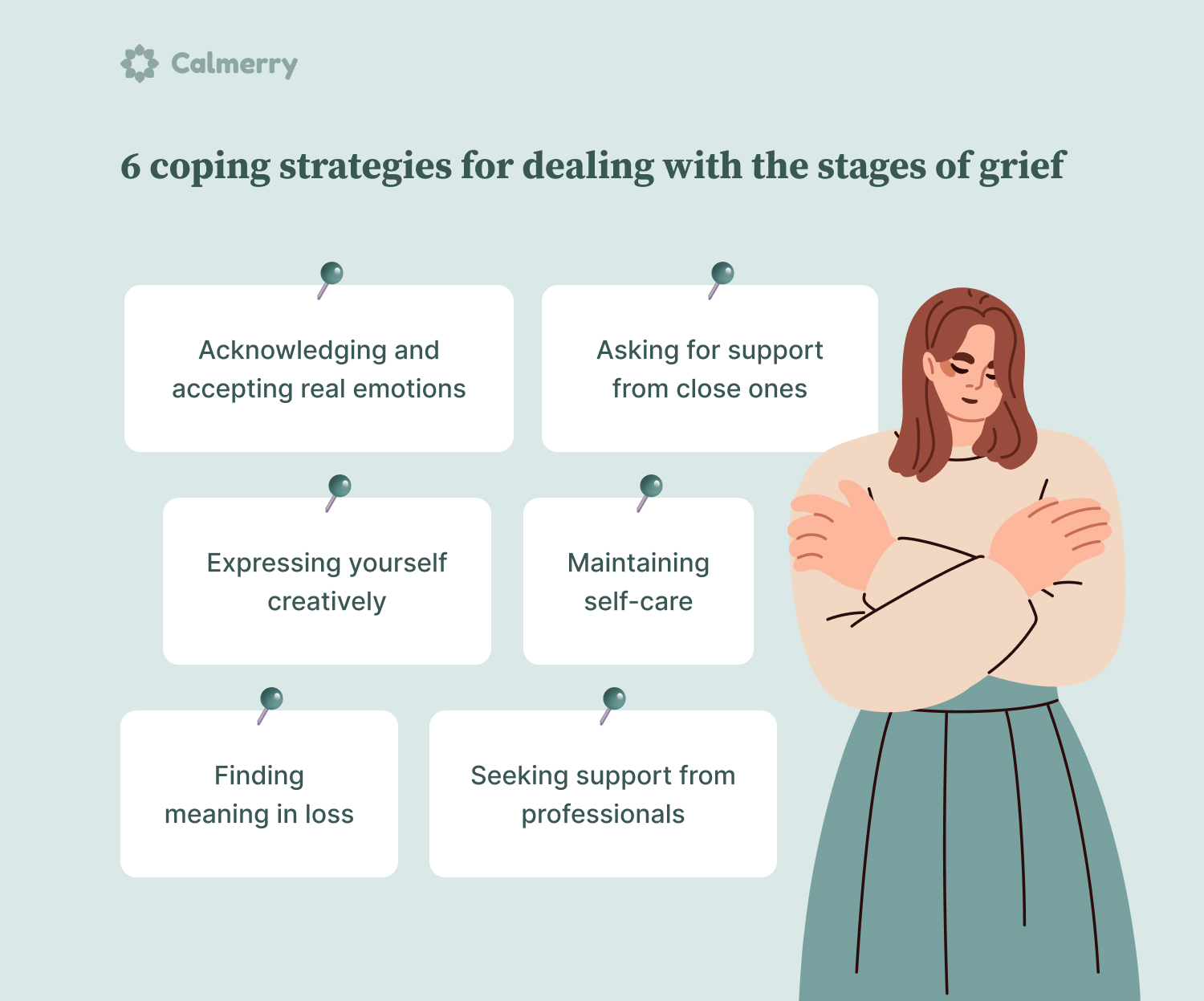
Navigating the Emotional Aftermath of a Relationship Dissolution
The termination of a romantic relationship, regardless of its duration or intensity, invariably precipitates a complex cascade of emotions. While the experience is profoundly personal, certain emotional responses are common, particularly anger, sadness, and grief. Understanding these emotions, their manifestations, and effective coping mechanisms is crucial for navigating this challenging period and fostering emotional healing and personal growth.
Understanding the Emotional Landscape
The emotional aftermath of a breakup is rarely straightforward. It's a dynamic process, often characterized by fluctuating intensity and a shifting emotional landscape. Instead of expecting a linear progression from sadness to acceptance, individuals should anticipate a more erratic journey, marked by periods of intense emotion interspersed with moments of relative calm. This unpredictability can be challenging, but acknowledging this inherent complexity is the first step towards effective coping.
Anger: A Common Response to Loss and Betrayal
Anger is a frequently experienced emotion following a breakup. It can stem from various sources, including feelings of betrayal, rejection, or injustice. The anger may be directed towards the former partner, oneself, or even external factors perceived as contributing to the relationship's demise. This anger can manifest in different ways, from subtle irritability and resentment to explosive outbursts of rage. It's important to recognize that anger, while uncomfortable, is a valid emotion and often serves as a defense mechanism against deeper feelings of vulnerability and hurt.
Unhealthy expressions of anger, such as lashing out at others, engaging in destructive behaviors, or resorting to substance abuse, should be actively avoided. Instead, individuals should strive to channel their anger in healthier ways. This can involve:
- Engaging in physical activity, such as running, swimming, or weightlifting.
- Practicing mindfulness or meditation to manage emotional reactivity.
- Journaling to process thoughts and feelings.
- Seeking professional support from a therapist or counselor.
- Expressing anger assertively, but respectfully, to the former partner (if appropriate and safe).
Sadness: Acknowledging the Loss and the Grief Process
Sadness is an inevitable companion to heartbreak. The ending of a relationship represents a significant loss â€" the loss of companionship, intimacy, shared experiences, and future plans. This loss triggers a grieving process that can be profound and protracted. Sadness may manifest as persistent low mood, tearfulness, feelings of emptiness, and a general lack of motivation. It's crucial to allow oneself to feel this sadness, rather than suppressing or ignoring it. Suppressing emotions often prolongs the healing process and can lead to other mental health challenges.
Healthy ways to cope with sadness include:
- Allowing oneself time to grieve and heal without pressure to "move on" quickly.
- Seeking emotional support from trusted friends, family members, or support groups.
- Engaging in self-care activities that promote well-being, such as getting sufficient sleep, maintaining a healthy diet, and engaging in enjoyable hobbies.
- Practicing self-compassion and acknowledging that healing takes time.
- Avoiding isolation and maintaining social connections.
Grief: The Multifaceted Nature of Loss
Grief, in the context of a breakup, encompasses a wide range of emotions beyond sadness. It can include feelings of longing, regret, confusion, and even guilt. The intensity and duration of grief vary greatly depending on individual factors such as the nature of the relationship, the circumstances of the breakup, and personal coping mechanisms. Recognizing that grief is a natural response to loss and that it unfolds differently for everyone is essential.
Navigating the complexities of grief after a breakup requires a compassionate and patient approach. This can involve:
- Accepting the reality of the loss and allowing oneself to feel the associated emotions.
- Remembering and honoring the positive aspects of the relationship, without idealizing it.
- Gradually re-establishing routines and engaging in activities that bring joy and a sense of purpose.
- Focusing on self-growth and personal development.
- Seeking professional help if grief becomes overwhelming or debilitating.
Developing Healthy Coping Mechanisms
Effectively managing the emotional turmoil following a breakup necessitates the development of healthy coping mechanisms. These mechanisms should be tailored to individual needs and preferences, but generally involve strategies that promote emotional regulation, self-care, and social connection.
Prioritizing Self-Care
Self-care is paramount during this difficult period. It involves attending to one's physical and emotional well-being through activities that promote relaxation, rejuvenation, and a sense of self-worth. This can include engaging in regular exercise, maintaining a balanced diet, ensuring adequate sleep, practicing mindfulness or meditation, and pursuing hobbies and interests that bring joy.
Building a Supportive Network
Leaning on a supportive network of friends, family, or support groups can significantly ease the burden of emotional distress. Sharing feelings with trusted individuals can provide validation, empathy, and practical assistance. It's crucial to choose supportive individuals who offer understanding and encouragement, rather than those who might minimize or invalidate one's experience.
Seeking Professional Guidance
In some cases, seeking professional guidance from a therapist or counselor can be beneficial. A therapist can provide a safe and confidential space to process emotions, develop coping strategies, and address any underlying mental health concerns that might be exacerbated by the breakup. Therapy can be particularly helpful for individuals struggling with intense grief, anger, or other overwhelming emotions.
Establishing Healthy Boundaries
Setting healthy boundaries with the former partner is crucial for emotional healing. This may involve minimizing contact, avoiding social media interactions, and refraining from engaging in conversations that rehash the past or perpetuate conflict. Establishing these boundaries allows for emotional detachment and facilitates the process of moving forward.
The Path to Healing and Growth
The emotional aftermath of a breakup is a journey, not a destination. It’s a process that requires patience, self-compassion, and a commitment to personal growth. While the pain of heartbreak is undeniable, it also presents an opportunity for self-discovery, resilience, and the development of stronger emotional intelligence. By focusing on healthy coping mechanisms, building supportive relationships, and prioritizing self-care, individuals can navigate this challenging period and emerge stronger and more resilient on the other side.
Remember: Healing takes time. There is no set timeline for recovery, and it's important to be patient with oneself. Allowing oneself to feel the full spectrum of emotions without judgment is a crucial step towards acceptance and eventual healing. The journey may be difficult, but it is ultimately a path towards personal growth and a renewed sense of self.


Comments
Post a Comment