The Best Ways to Apologize and Move Forward
The Best Ways to Apologize and Move Forward
Mistakes are inevitable in life. We all stumble, misstep, and say or do things we regret. However, it's not the mistakes that define us, but rather how we handle them. A sincere apology, coupled with a genuine commitment to change, can be the bridge to healing and reconciliation. This article will delve into the best ways to apologize and move forward, exploring the nuances of effective communication and the importance of taking responsibility for our actions.
The Importance of a Sincere Apology
A heartfelt apology is more than just saying "sorry." It's about acknowledging the impact of your actions, taking responsibility for your role in the situation, and expressing remorse for the hurt you've caused. A sincere apology demonstrates empathy, respect, and a willingness to learn from your mistakes. It lays the foundation for rebuilding trust and fostering a positive future.
Key Elements of a Sincere Apology
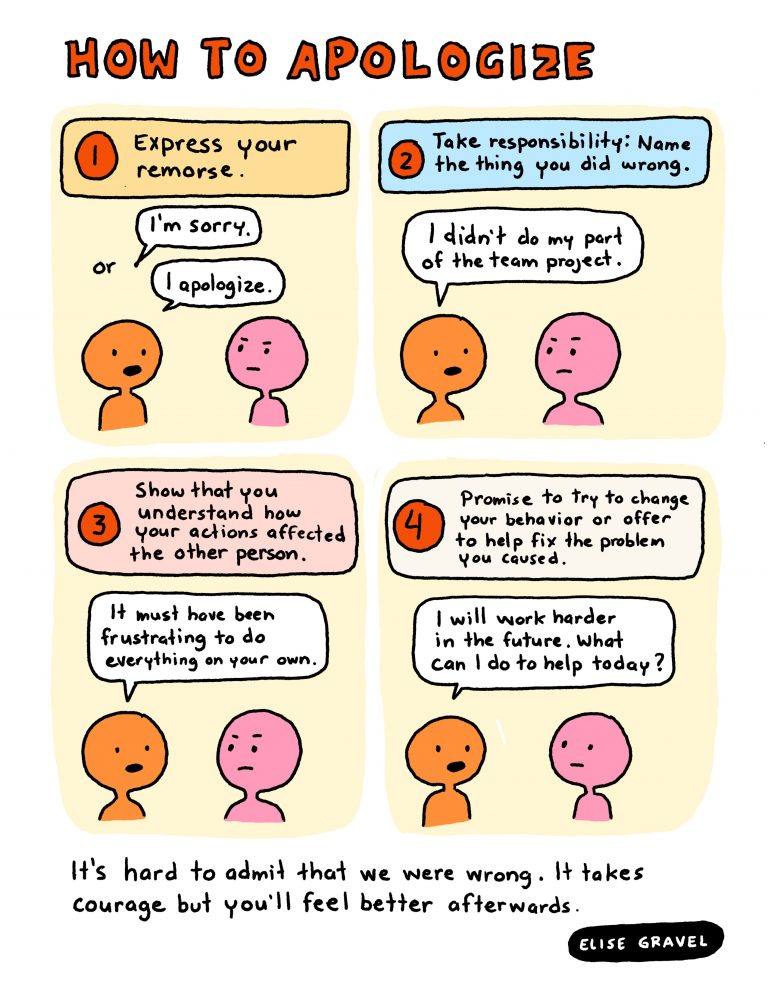
- Acknowledge the Harm: Clearly state what you did wrong and how it affected the other person. Avoid minimizing your actions or blaming external factors.
- Express Remorse: Use language that conveys your genuine regret and the emotional impact of your actions on the other person. Words like "I deeply regret," "I am truly sorry," and "I feel terrible about" can be effective.
- Take Responsibility: Own your actions without making excuses. Phrases like "I was wrong to..." or "It was my mistake to..." demonstrate accountability.
- Avoid Defensiveness: Resist the urge to justify your actions or shift blame. Focus on understanding the other person's perspective and acknowledging your part in the situation.
- Offer to Make Amends: If possible, propose a tangible way to rectify the situation or make things right. This demonstrates your commitment to learning from your mistakes and making positive change.
Moving Forward After an Apology
A sincere apology is a crucial first step, but it's only the beginning of the process. Moving forward after an apology requires time, effort, and a genuine commitment to change. Here are some steps to help navigate this process:
Time and Space
Acknowledge that the other person may need time to process their emotions and consider your apology. Give them space to heal and reflect without pressuring them to forgive you immediately. Remember, forgiveness is a personal choice that the other person must make in their own time.
Active Listening and Understanding
Be prepared to listen actively to the other person's perspective. Pay attention to their feelings and try to understand their point of view, even if it differs from yours. Avoid interrupting or trying to defend yourself. Let them express themselves fully and without judgment.
Making Positive Changes
Actions speak louder than words. If your apology is sincere, back it up with concrete steps to change your behavior or address the underlying issues that led to the problem. This shows the other person that you are committed to learning from your mistakes and preventing similar situations from occurring in the future.
Respecting Boundaries
Be mindful of the other person's boundaries and space. If they need time alone or express a need for distance, respect their wishes. Avoid being pushy or demanding forgiveness. Instead, focus on rebuilding trust and demonstrating your commitment to positive change over time.
Challenges and Obstacles
Moving forward after an apology can be challenging, even with the best intentions. Here are some common obstacles and strategies to overcome them:
Lack of Acceptance
Sometimes, despite your best efforts, the other person may not accept your apology or be ready to forgive you. This can be frustrating, but it's important to respect their decision. Continue to focus on your own growth and personal development, and be patient. Over time, actions may speak louder than words, and forgiveness might eventually come.
Trust Issues
Broken trust takes time to rebuild. Be patient and understanding, and consistently demonstrate your commitment to earning back the other person's trust. Avoid repeating the same mistakes or engaging in behaviors that could further erode trust. Show them that you are worthy of their confidence.
Self-Criticism
It's normal to feel guilt and shame after making a mistake, but excessive self-criticism can be counterproductive. Recognize that you've apologized and are taking steps to change. Focus on moving forward and learning from the experience without dwelling on past regrets.
Moving Forward Together
Apologizing and moving forward is a journey, not a destination. It requires ongoing effort, communication, and a willingness to learn and grow. The process can be challenging, but it's a vital step toward healing and creating a more positive and fulfilling future. Remember that forgiveness is a choice, and it's ultimately up to the person you've hurt. However, by taking responsibility for your actions, expressing sincere remorse, and making positive changes, you can create the foundation for a brighter future, both for yourself and your relationships.


Comments
Post a Comment