The Role of Empathy in Mending a Broken Relationship
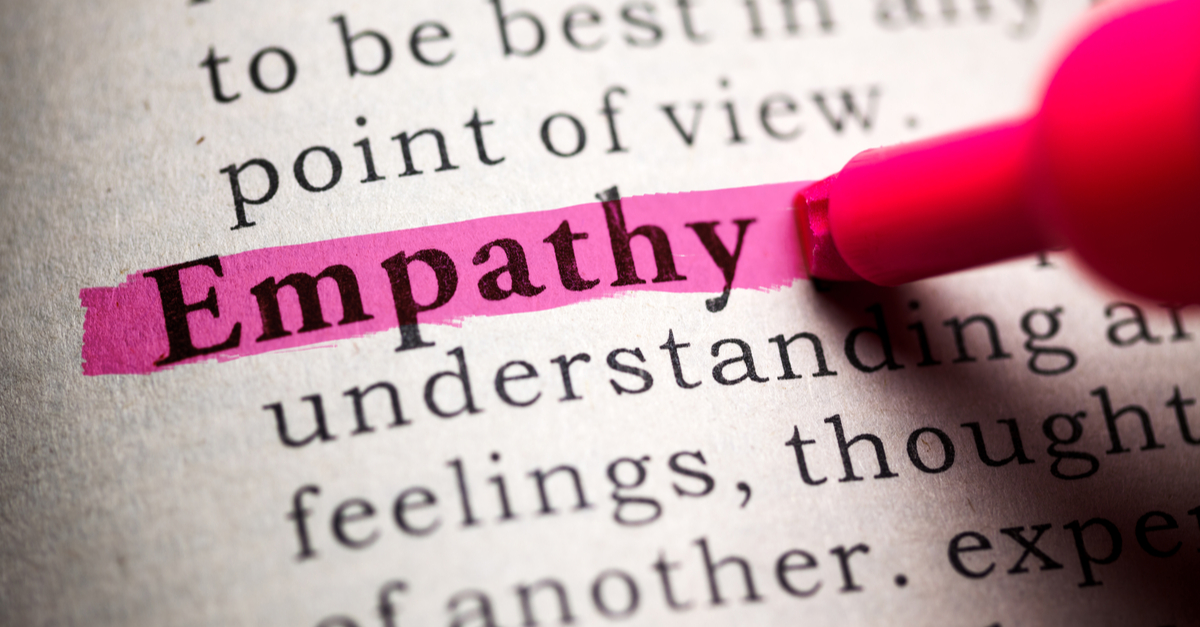
The Bridge of Empathy: Rebuilding Broken Relationships
Relationships, like intricate glass sculptures, can shatter with surprising ease. A careless word, a misunderstanding, a prolonged period of silence â€" these seemingly small cracks can fracture the foundation of even the strongest bonds. While rebuilding requires effort, commitment, and often, professional guidance, one crucial element often overlooked is empathy. It’s not merely about feeling sorry for the other person; it’s about stepping into their shoes, understanding their perspective, and truly acknowledging their pain and experiences. This article explores the vital role empathy plays in mending a broken relationship, offering practical strategies for cultivating this essential skill and using it to rebuild trust and connection.
Understanding the Power of Empathetic Listening
Effective communication forms the bedrock of any successful relationship, and empathy fuels its engine. Before attempting to resolve conflict, one must first master the art of empathetic listening. This goes far beyond simply hearing the other person’s words; it involves actively absorbing their emotions, paying attention to their nonverbal cues â€" their body language, tone of voice, facial expressions â€" and reflecting back what you’ve heard to ensure accurate understanding. It means acknowledging their feelings, even if you don't agree with their perspective. For instance, instead of immediately offering solutions, try statements like, "It sounds like you're feeling really hurt right now," or "I can understand why you'd be frustrated by that situation." This validates their emotions and creates a safe space for open dialogue.
Practical Steps to Empathetic Listening
- Minimize distractions: Put away your phone, turn off the TV, and give the other person your undivided attention.
- Focus on understanding, not responding: Resist the urge to interrupt or formulate your response while they're speaking.
- Reflect back what you hear: Paraphrase their words and feelings to confirm your understanding, for example, "So, if I understand correctly, you felt betrayed when..."
- Ask clarifying questions: Encourage them to elaborate on their experiences and feelings with open-ended questions, such as "Tell me more about that," or "How did that make you feel?"
Moving Beyond Blame: The Importance of Perspective-Taking
Broken relationships often involve a cycle of blame, with each party convinced of their own righteousness. Empathy breaks this cycle by encouraging perspective-taking. It requires consciously stepping outside your own emotional experience and attempting to see the situation from the other person's point of view. This isn’t about condoning harmful behavior; it’s about understanding the underlying reasons behind their actions. Perhaps their anger stems from unresolved trauma, unmet needs, or fear of vulnerability. By understanding their motivations, you can begin to approach the conflict with more compassion and less judgment. Consider journaling from their perspective, imagining their thought process and emotional state during the conflict. This exercise can foster remarkable insights.
Repairing the Damage: Empathy in Action
Empathy is not a passive emotion; it's an active force for reconciliation. Once you’ve truly understood the other person's perspective, you can begin to repair the damage. This might involve sincere apologies, acknowledging your role in the conflict, and committing to making changes in your behavior. It also requires demonstrating genuine remorse and taking concrete steps to rebuild trust. This might involve consistent effort, honest communication, and a willingness to compromise. Repairing trust is a gradual process, requiring patience and understanding. Remember, empathy is a continuous process, requiring consistent effort and a genuine desire to understand and connect with the other person.
Ultimately, rebuilding a broken relationship requires a conscious and sustained commitment to empathy. By prioritizing understanding, actively listening, and seeking to see things from the other person's perspective, you create a fertile ground for healing and reconciliation. The bridge of empathy, built on understanding and compassion, can lead to a stronger, more resilient, and deeply fulfilling relationship.


Comments
Post a Comment